

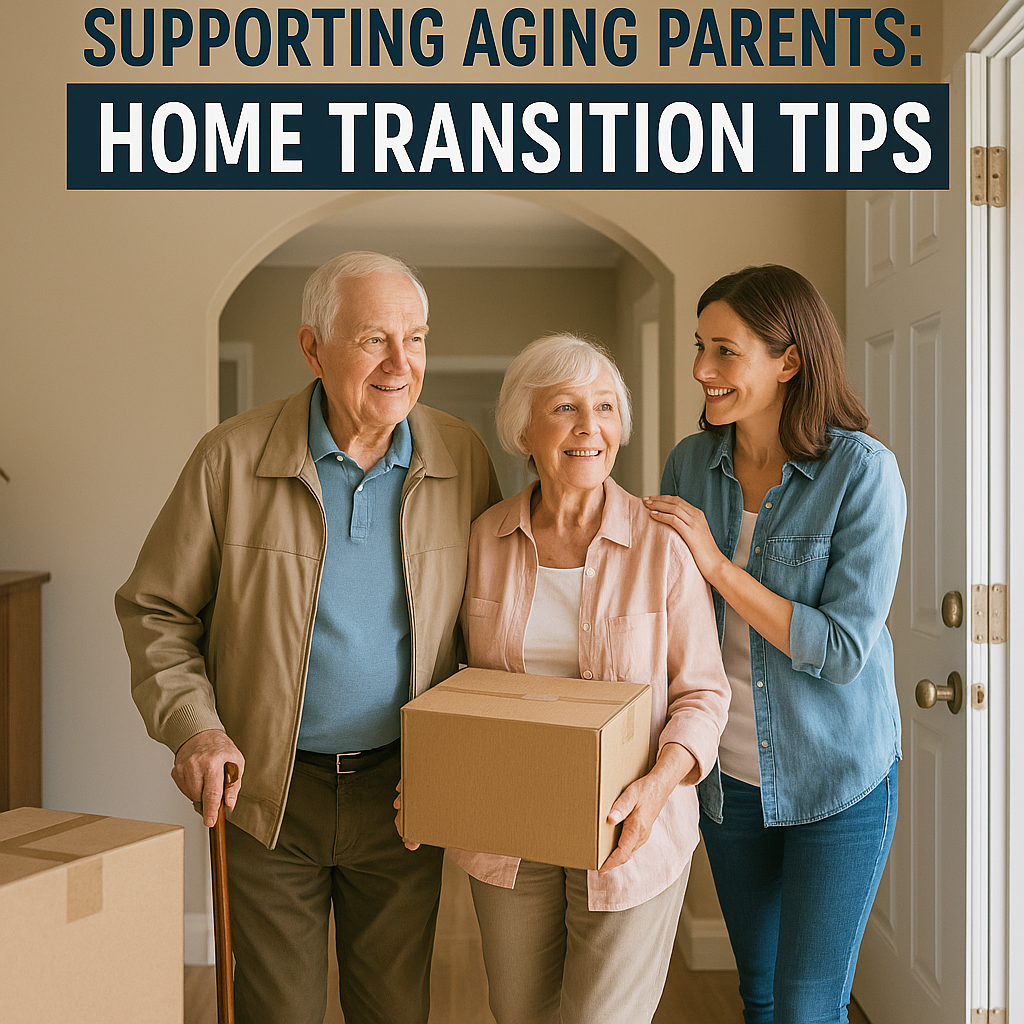
Supporting Aging Parents: Home Transition Tips Inside the Perimeter
How to Support Aging Parents With Home Transitions Inside the Perimeter
As our parents age, their needs and abilities change, and sometimes so must their living situations. If you find yourself in a position of helping aging parents transition to a new home or modify their existing one inside the perimeter, this can be a journey filled with both challenges and rewards. Below are some practical tips to navigate this pivotal time with compassion and efficiency.
Understand Their Needs and Wishes
Open a Dialogue
Start by having an open and honest discussion with your parents about their needs, concerns, and wishes for their future living situation. Understanding what they value most helps ensure that the transition respects their preferences and lifestyle.
Assess Current and Future Needs
Evaluate whether their current home can be adapted to meet their health and mobility needs as they age, or if moving to a more suitable location might be necessary. Consider factors like the layout of the house (e.g., stairs), proximity to healthcare services, and community engagement opportunities.
Choosing the Right Living Situation
Research Local Options
Inside the perimeter, there are various housing options tailored to seniors, from independent living communities to assisted living facilities. Each has distinct features and services, so it’s important to identify what would best suit your parent’s needs and lifestyle.
Tour Potential Homes
Visiting potential homes with your parents not only helps in assessing the suitability of these locations but also involves them in the decision-making process, which can make the transition smoother.
Home Modifications and Safety
Implement Necessary Changes
If staying in the current home is the preferred option, consider necessary modifications to ensure their safety and comfort. Common adjustments include:
- Installing grab bars in bathrooms.
- Ensuring good lighting throughout the home.
- Adding ramps or stairlifts if needed.
Hire Professional Help
For complex modifications, it might be best to hire professionals who specialize in aging-in-place renovations. They can provide expert advice and ensure that all changes meet safety standards.
Emotional and Logistical Support
Stay Positive and Patient
Transitions can be emotionally challenging for aging parents as they might feel a sense of loss or fear. Keep communication open, listen to their concerns, and consistently reaffirm your support to help them cope during this time.
Plan the Move Methodically
Whether moving to a new home inside the perimeter or just rearranging the old one, organize everything carefully to minimize stress. Create checklists, schedule timelines, and consider hiring professional movers experienced with senior relocation.
Legal and Financial Considerations
Update Important Documents
Ensure all essential documents such as wills, power of attorney, and medical directives are updated and accessible. This step is crucial in preparing for future healthcare needs and estate management.
Financial Planning
Understand the financial implications of different living options and consider consulting with a financial advisor who specializes in eldercare planning. This can help ensure that your parents’ care is financially sustainable long-term.
Join Support Networks
Engage with Community Resources
Many communities inside the perimeter offer resources and support groups for families undergoing similar transitions. Engaging with these can provide additional support and information, making you feel less alone in the process.
Online Support Groups
Consider joining online forums or support groups for adult children helping aging parents. These platforms can offer valuable advice and emotional support from people in similar situations.
Conclusion
Helping your aging parents with home transitions inside the perimeter requires careful planning, open communication, and a lot of love and patience. By thoroughly understanding their needs, exploring suitable living options, and ensuring their comfort and safety, you can make the transition as smooth and positive as possible. Remember, you’re not alone in this journey—plenty of resources and communities can assist you along the way.