

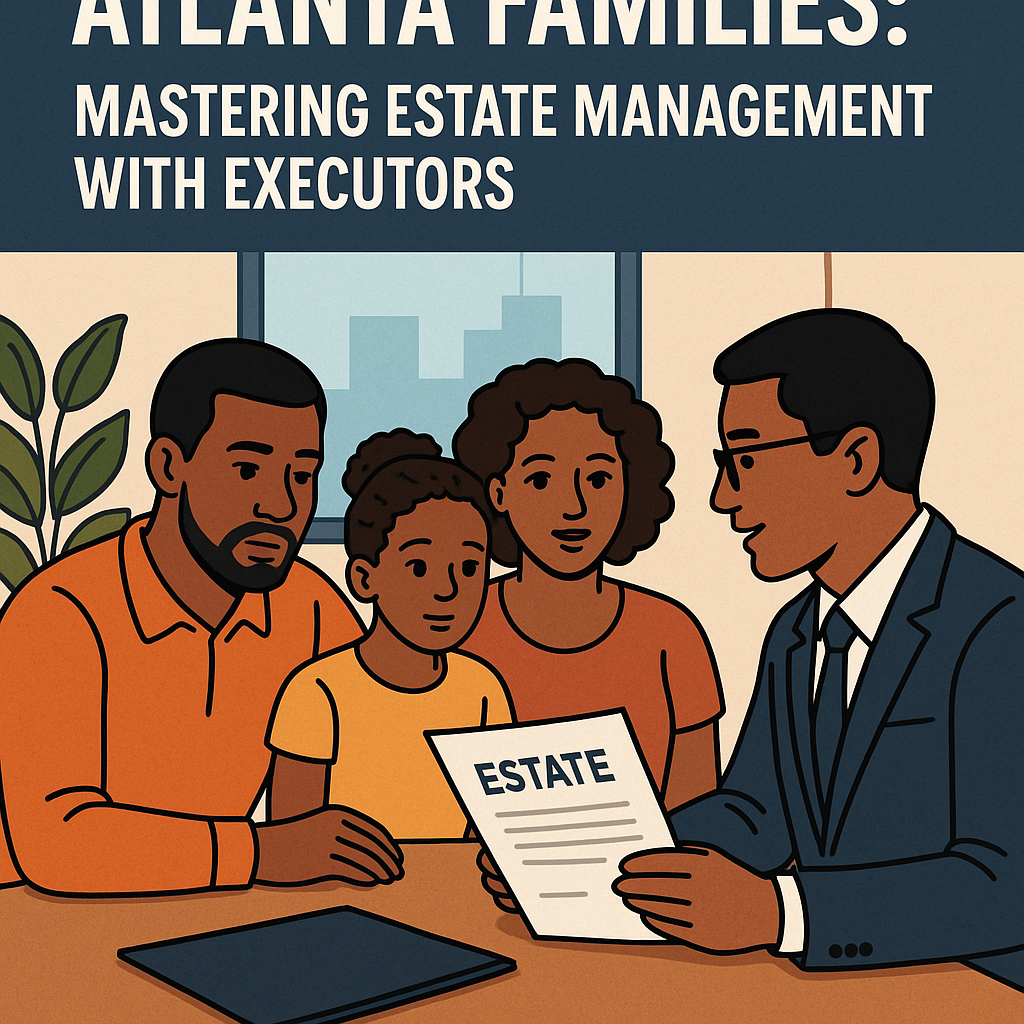
Atlanta Families: Mastering Estate Management with Executors
Working With Executors: A Practical Guide for Atlanta Families Managing Estates
Managing an estate after the passing of a loved one is a profound and often complex task, especially in a bustling environment like Atlanta. This practical guide aims to assist Atlanta families in navigating the process of working with executors to ensure a smooth and respectful handling of estate affairs.
Understanding the Role of an Executor
The executor of an estate is entrusted with the significant responsibility of managing the deceased’s assets according to the will and state law. Their duties typically include:
- Gathering and inventorying assets
- Paying debts and taxes
- Distributing remaining assets to the beneficiaries
The choice of executor should be made with care, as this individual will play a crucial role in the management of estate proceedings.
Finding and Choosing an Executor in Atlanta
When looking for an executor for an estate in Atlanta, families often consider the following:
- Trustworthiness and impartiality: The person should be capable of managing the estate fairly without bias.
- Organizational skills: Managing an estate involves a lot of paperwork and deadlines.
- Local availability: Having someone who is based in Atlanta can be beneficial due to their familiarity with local laws and proximity to the estate’s physical assets.
Professionals as Executors
Sometimes, it may be wise to hire a professional, such as an attorney or a bank, to serve as executor, especially if:
- The estate is large or complex.
- Family dynamics are contentious.
- The estate includes ongoing business interests.
The Legal Framework in Georgia
Under Georgia law, executors must adhere to the probate process, which involves filing the will with the local probate court, notifying creditors, and managing estate taxes. Atlanta families should ensure the chosen executor is familiar with these legal requirements. The probate process in Georgia includes:
- Filing the will with appropriate county’s probate court.
- Notifying creditors and settling debts.
- Filing estate taxes and handling other financial obligations.
It’s important to work closely with legal professionals who understand the nuances of Georgia’s probate laws to avoid potential pitfalls.
Processes and Best Practices
Collaborating With an Executor
Effective communication and collaboration with an executor are key. Families should:
- Establish clear communication channels: Regular updates and meetings can help keep all stakeholders informed.
- Keep records and documentation organized: This reduces delays and misunderstandings in the distribution of assets.
- Respect the legal and procedural timelines: Understanding that some processes have legal timelines that need to be observed helps manage expectations.
Handling Disputes
Disputes over estate management can be stressful. To address these effectively:
- Engage in mediation: Professional mediators can help resolve disputes amongst beneficiaries.
- Clarify the will’s stipulations: Sometimes, merely revisiting the will’s details with a legal advisor can clarify misunderstandings.
Engaging Additional Help
Due to the complexities associated with managing estates, it can be helpful to engage additional professionals such as:
- Attorneys: To provide legal advice and assist in complex litigation matters if required.
- Accountants: To manage complex financial aspects of the estate, such as estate taxes.
- Estate planners: To advise on the most efficient methods to distribute the estate’s assets.
Atlanta families should consider forming a team of advisors to provide a comprehensive support system to the executor, ensuring legal compliance and the respectful fulfillment of the deceased’s wishes.
Conclusion
Managing an estate in Atlanta, with its unique legal environment and dynamic market conditions, requires careful planning and consideration. By understanding the role of an executor, knowing the legal framework, and using best practices in working together, Atlanta families can ensure that estates are managed effectively and respectfully. Engaging professionals where needed and ensuring open communication are essential steps in achieving a smooth process during what can be a challenging time.